
Buying a Rental Property in Norwich and Eastern CT
Short answer: Start with the numbers and the lease, not the listing photos. In Norwich and Eastern Connecticut you’ll find single-family homes, condos and two- to four-family homes, and the rent has to cover the mortgage, taxes, insurance, repairs, vacancy and management. Pledge can help you buy through our brokerage and then lease and manage the property after closing. Management starts at 9.5% of rent with a $150 minimum (see our pricing page).
We manage about 400 units in Eastern Connecticut, so we see what rents, what sits, and what breaks. Here’s what we’d want any investor to think through before buying here.

What kinds of rentals are in Eastern Connecticut?
- Single-family homes. Steady rental demand and often simpler to resell. One tenant, one rent check. Learn about our single-family management.
- Condos. Lower upkeep, but read the association’s rules on renting, fees and any rental caps before you make an offer. See individual condo management.
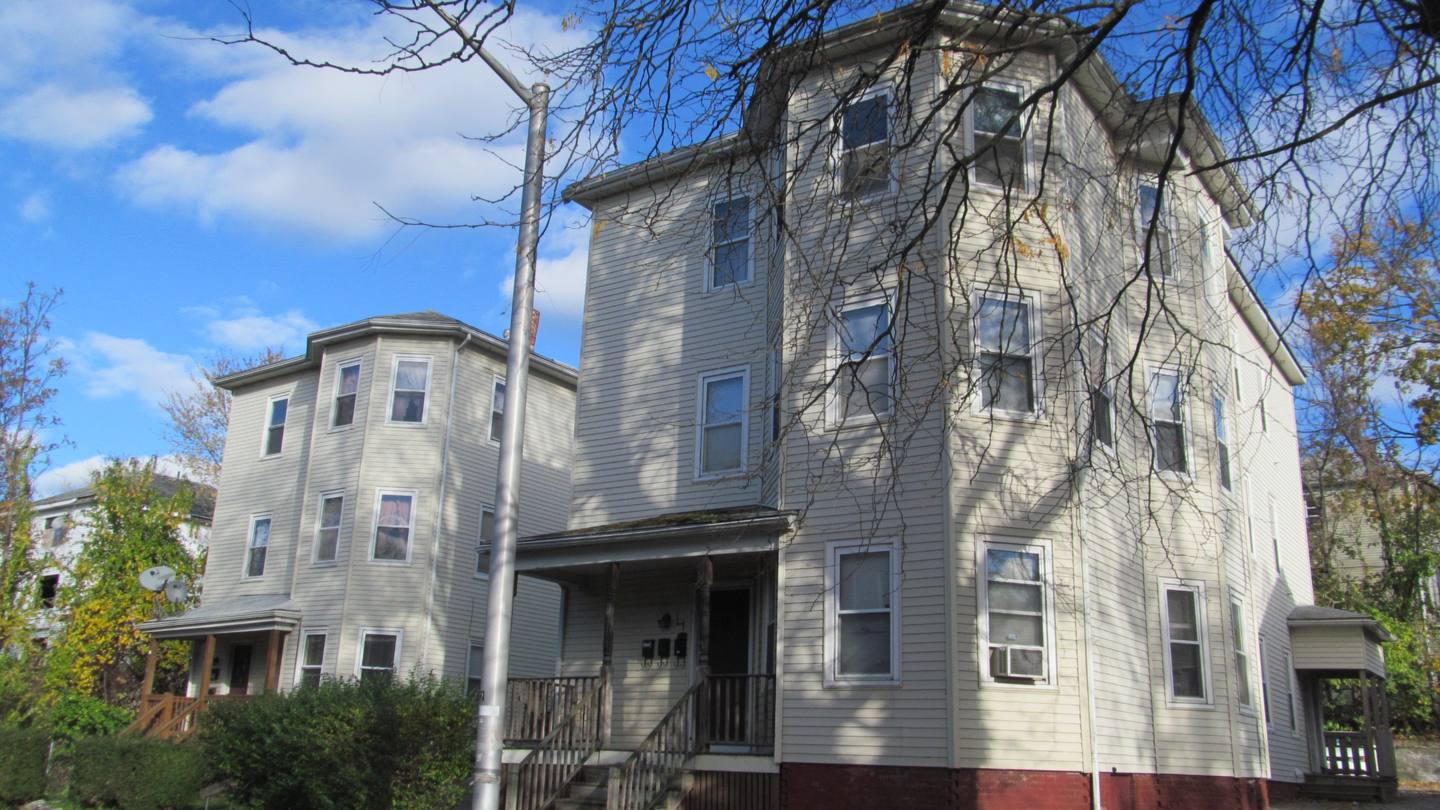
- Two- to four-family homes. Older multi-family houses are part of the housing stock in Norwich and New London. More income per property, but more tenants and older systems. Some buyers live in one unit and rent the others. See multi-family management.
Where people rent around here
Rental demand follows jobs. A few anchors:
- Norwich, our home base, with Backus Hospital, and our own communities, The Hills at River View and Westledge Apartments.
- Groton, home to the Naval Submarine Base and Electric Boat. Military assignments bring steady rental demand.
- New London, with Lawrence + Memorial Hospital, the Coast Guard Academy and Connecticut College.
- Montville and Ledyard, near Mohegan Sun and Foxwoods.
- Quieter towns like Preston, Lisbon, Colchester and Griswold, plus the shoreline in Waterford and East Lyme.
We’d rather give you real rent comparisons for a specific property than general claims about a town. Ask us.
Run the numbers before you offer
Use realistic rent, not the seller’s best case. Then subtract:
- mortgage payment
- property taxes (rates vary a lot from town to town, so check the current mill rate)
- a landlord insurance policy
- condo or association fees, if any
- repairs and a reserve for big items like the roof, furnace and water heater
- some vacancy between residents
- management: our Complete plan is 9.5% of monthly rent with a $150 minimum, leasing a new resident is one month’s rent, and the management plans have a $229 startup fee. Every fee is on our pricing page, and our cost guide walks through a full first year.
If the property only works with everything going right, it doesn’t work.
Check these before you buy a rental that already has tenants
- Every lease. Rent, end date, who pays which utilities, pets, and anything unusual. A sale doesn’t end a residential lease by itself, so in most cases you inherit its terms. Leases longer than one year, or with renewal or purchase options, can raise extra questions (CGS § 47-19), so have your attorney review every lease before you sign.
- The rent roll and payment history. Are tenants current?
- Security deposits. Confirm the amounts. Connecticut law requires the seller to turn the deposits, plus accrued interest, over to you at closing; they remain the tenants’ property. Once you receive them, you’re responsible for returning them, and you must tell each tenant within 30 days how much is held and where (CGS § 47a-21).
- Legal units. Make sure every unit you’re paying for is a legal unit. Connecticut penalizes letting people occupy a building without a required certificate of occupancy (CGS § 47a-5). Ask the town’s building office.
- Lead paint. For homes built before 1978, the seller must give a federal lead-based paint disclosure, and you’ll owe the same disclosure to your future tenants.
- A full inspection, including the heating system, electrical, roof and any shared systems in a multi-family.
- Protected tenants in larger buildings. In buildings with five or more units, Connecticut protects certain older and disabled tenants from eviction without good cause, even at the end of a lease (CGS § 47a-23c). Ask your attorney how this applies before you buy.
- The town’s rules. Some towns have their own rental or housing code requirements. Check with the town before you close.
Connecticut landlord rules every new owner should know
- Security deposits: no more than two months’ rent, or one month for tenants 62 and older, held in an escrow account (CGS § 47a-21).
- Rent grace period: 9 days (4 for weekly tenancies) before a landlord can charge a late fee or end the lease for nonpayment, plus 5 more days in a month when the landlord’s online payment system blocks payment. Rent is still due on the due date. Late fees are capped at the lesser of $5 a day up to $50, or 5% of the late payment (CGS § 47a-15a).
- Rent increases: written notice at least 45 days before the increase takes effect, or one full rental period for month-to-month and shorter tenancies. The notice rule doesn’t give a landlord the right to raise rent during a lease term; whether rent can change mid-term depends on the lease. A tenant’s silence isn’t agreement (CGS § 47a-4e).
- Move-in walk-through: landlords must offer new tenants a walk-through before move-in. If the tenant accepts, both sides use the state checklist, and conditions noted on it can’t later be charged against the deposit (CGS § 47a-7c).
- Entry: reasonable notice and reasonable times, except in emergencies (CGS § 47a-16).
- Out-of-state owners: a landlord who doesn’t live in Connecticut must appoint the Secretary of the State to accept legal papers (CGS § 47a-21). Some towns also require out-of-state owners to file a current residential address with the town (CGS § 47a-6a). Check with the town where you buy.
- Fair housing: state and federal fair housing laws apply to how you advertise, screen and rent, including Connecticut’s protection for lawful source of income, such as housing vouchers.
These are general points, not legal advice. A Connecticut real estate attorney can review your specific purchase.
Buy it with us, then let us manage it
Through Pledge’s brokerage, Alex Gebbie, our Broker Owner, and Taylor Kelly, our licensed agent, help investors buy single-family homes, condos and multi-family properties. Start with our home search, then call us to set up showings. After closing, we can lease and manage the property:
- leasing at one month’s rent, with our 10-point tenant screening
- a 6-month tenant replacement guarantee on our full management plans
- $1,500 pet protection on Complete, Premium and the individual condo plan (not Lease Only)
- 24/7 emergency support and an owner portal for statements
Pledge is an independent family-run company, not a franchise office, and we’ve been family-run since 1970. If you live out of state or you’re military, our PCS owner page covers owning from a distance.
“Alex and Pledge Property Management made selling our house and buying our new house a very smooth process. I would highly recommend Alex to anyone who is interested in buying or selling their home.”
— Gordon Peckham III, Google review
Talk with us about buying a rental
Call 860-887-2792, Monday to Friday, 8 AM to 4 PM. Showings are by appointment. Or send us a message. More on our buying and selling page, and if you already own a rental you’re thinking of trading up from, see how to sell a rental property in Connecticut.
This page is general information, not legal, tax or investment advice.
Frequently asked questions
Is Norwich, CT a good place to buy a rental property?
It depends on the property and the numbers. Norwich has single-family homes, condos and older multi-family houses, and nearby employers like Backus Hospital, Mohegan Sun, Foxwoods, Electric Boat and the Groton sub base bring renters to the region. We’d rather show you real rent comparisons for a specific property than make general promises about returns.
Can Pledge help me buy a rental property and then manage it?
Yes. Pledge is a licensed Connecticut real estate brokerage (REB.0790904) as well as a property manager. Alex Gebbie, our Broker Owner, and Taylor Kelly, our licensed agent, help investors buy, and after closing we can lease and manage the property. Call 860-887-2792.
How much does property management cost after I buy?
Our Complete plan is 9.5% of monthly rent with a $150 minimum, and individual condos are 8.5% with a $150 minimum. Leasing a new resident is one month’s rent, and the management plans have a $229 startup fee. All plans and fees are on our pricing page at pledgepropertymanagement.com/pricing/.
What Connecticut landlord laws should a new rental owner know?
Security deposits are capped at two months’ rent, or one month for tenants 62 and older, and must be held in escrow (CGS § 47a-21). Rent is due on the due date, and tenants get a 9-day grace period (4 days for weekly tenancies, plus 5 days when the landlord’s online payment system blocks payment) before a late fee or termination for nonpayment (CGS § 47a-15a). Rent increases need advance written notice, generally 45 days, or one full rental period for month-to-month tenancies (CGS § 47a-4e), and landlords must offer a move-in walk-through (CGS § 47a-7c).
What should I check before buying a rental that already has tenants?
Review every lease, the rent roll and payment history, and the security deposit amounts the seller must turn over to you at closing (CGS § 47a-21). Confirm every unit is legal with the town, get a full inspection, and for homes built before 1978 get the federal lead-based paint disclosure.
Can I buy a two-family house and live in one unit?
Yes, many buyers do. You live in one unit and rent the other. Financing rules for owner-occupied multi-family homes differ from investor loans, so talk with a lender early. We can help you find the property and manage the rental unit.
Do I have to live in Connecticut to own a rental here?
No. Plenty of owners hold Eastern Connecticut rentals from out of state or while stationed elsewhere. Connecticut has extra rules for nonresident landlords; for example, they must appoint the Secretary of the State to accept legal papers (CGS § 47a-21), and some towns require them to file a current residential address (CGS § 47a-6a). A local manager handles showings, repairs and rent collection.