
How to Sell a Rental Property in Connecticut
Short answer: Decide whether to sell with tenants in place or vacant, get a market analysis (for two- to four-family homes, the rent matters a lot), and gather your leases, rent roll and security deposit records. Give tenants reasonable notice for showings (CGS § 47a-16), talk with a tax professional about depreciation and a possible 1031 exchange, and close through a Connecticut attorney. At closing you must turn the tenants’ security deposits over to the buyer (CGS § 47a-21).
Selling a rental isn’t the same as selling the house you live in. You have a tenant to work around, more paperwork, and a tax picture that can change the math. Here’s the order we’d tackle it in.
Step 1: Decide on timing around the lease
Look at each lease’s end date and the type of tenancy. Then decide who you’re selling to:
- Investor buyers usually want the tenants and rent to continue.
- Owner-occupant buyers usually want the home empty. Note that a buyer of a two- to four-family home may plan to live in one unit and keep tenants in the others.
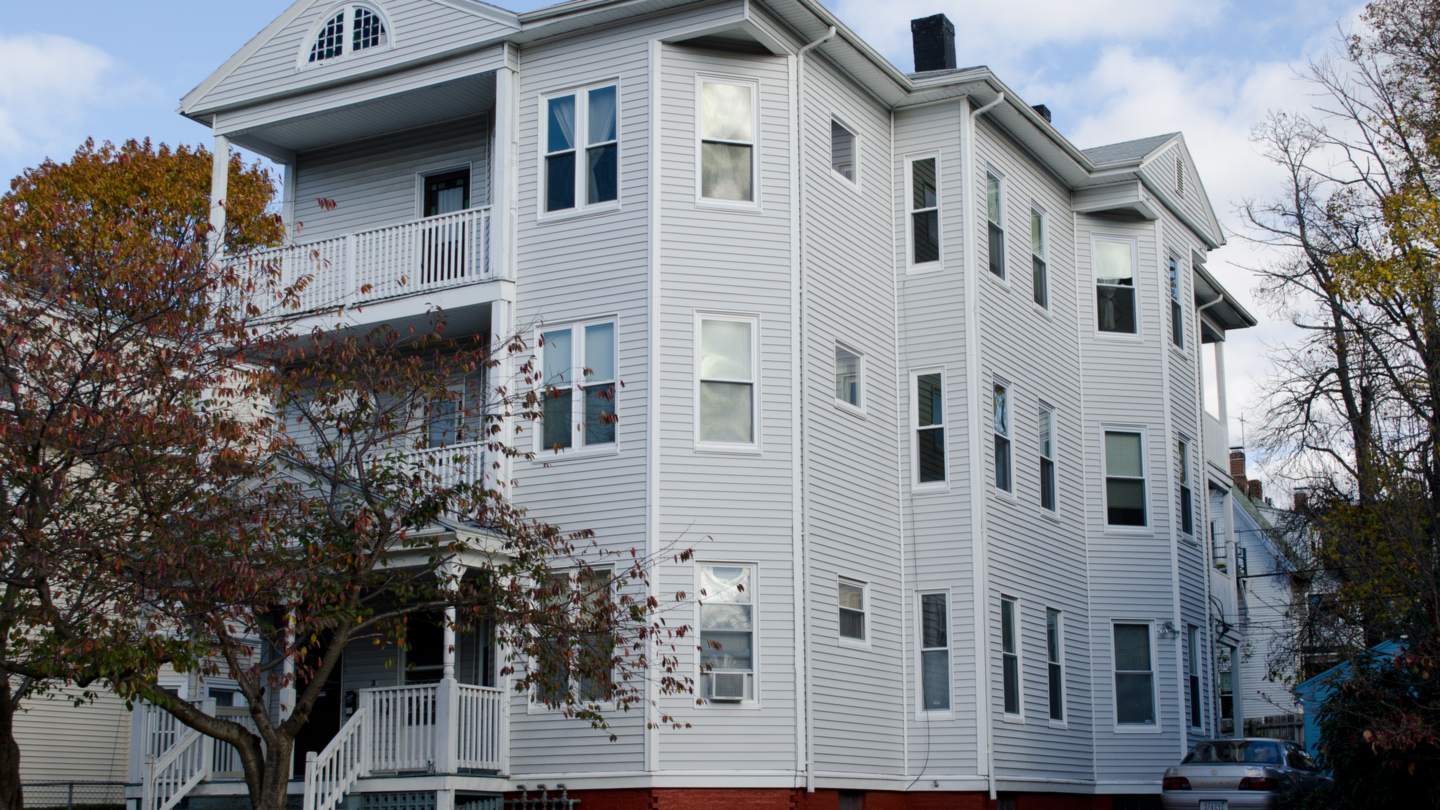
For a single-family home, selling vacant usually brings more buyers. For a multi-family home, staying occupied usually helps, because lenders look at the income. A sale doesn’t end a residential lease by itself. In most cases the buyer takes over as landlord and has to honor the tenants’ existing leases. Leases longer than one year, or with renewal or purchase options, can raise extra questions, so have a Connecticut real estate attorney review every lease before you sign a purchase contract. Connecticut’s recording law says a lease longer than one year, or one with a renewal right or purchase option, doesn’t bind a buyer unless it, or a notice of it, is recorded on the land records (CGS § 47-19). Ending a tenancy takes proper written notice under Connecticut law, and in buildings with five or more units, certain older and disabled tenants can’t be evicted without good cause, even at the end of a lease (CGS § 47a-23c). Get advice from a Connecticut real estate attorney before you set dates. More on that in selling a house with tenants in Connecticut.
Step 2: Price it the way buyers will
A comparative market analysis compares your property with similar ones that sold recently nearby. For rentals, buyers and lenders also look at the income: the current rents, how they compare with market rents, and the expenses. Rents well below market can pull the value down, so know where yours stand. Because we manage about 400 units in Eastern Connecticut, we see current rents every day.
Step 3: Gather your documents early
Buyers, lenders and attorneys will ask for these. Having them ready keeps the deal on track:
- every current lease and amendment
- a rent roll: unit, rent, due date, lease end, any balance owed
- security deposit amounts, the escrow bank, and interest paid
- utility bills, if you pay any utilities
- recent repair and improvement records, with permits
- your completed Residential Property Condition Report (required for 1 to 4 unit homes, with no exemption for investor-owned or tenant-occupied homes, CGS § 20-327b). Skipping it means a $500 credit to the buyer at closing, and the credit doesn’t excuse you from disclosing known serious defects (CGS § 20-327c).
- lead-based paint disclosure, for homes built before 1978
Step 4: Get the property ready
Fix what will show up on a buyer’s inspection, and handle anything that affects safety or the tenants’ use of their home. If units are empty, this is the moment for paint, flooring and cleaning. We’re licensed new home construction contractors (CT NHC.0018377) and do make-ready work before listing.
Step 5: Market it and show it fairly
A tenant can’t unreasonably refuse showings, but you must give reasonable written or oral notice and come at reasonable times (CGS § 47a-16). Group showings into set windows, keep notices in writing, and ask before photographing the tenant’s belongings. Good tenants make a big difference to how a rental shows.
Step 6: Plan for taxes before you sign
Taxes on a rental sale can be bigger than owners expect:
- Depreciation recapture. Depreciation you claimed (or could have claimed) on a rental can be taxed when you sell, at up to 25% federally.
- Capital gains and the 3.8% net investment income tax may also apply.
- 1031 exchange. If you’re buying another investment property, a like-kind exchange can defer the tax. (If you’re looking at your next property here, see buying a rental property in Eastern CT.) The rules are strict: you generally have 45 days after closing to identify the replacement and 180 days to close on it (sooner if your tax return is due first), and you need a qualified intermediary set up before you close.
- Connecticut conveyance tax: for most homes under $800,000, 0.75% state plus 0.25% municipal, about $3,000 on a $300,000 sale. Some towns may add up to 0.25% more.
Talk with a tax professional before you list. These are general points, not tax advice.
Step 7: Close and hand off
Connecticut closings are conducted by a Connecticut-admitted attorney (CGS § 51-88a). At closing, the attorneys typically prorate the month’s rent. Connecticut law requires you, the seller, to turn over the tenants’ security deposits plus accrued interest to the buyer; the deposits remain the tenants’ property (CGS § 47a-21). The buyer then becomes responsible for returning them when they come due, and within 30 days must tell each tenant in writing how much is held and the name and address of the bank. Tell the tenants who their new landlord is and where to pay rent.
If we manage the property, we hand the records to the buyer or their manager. If the buyer wants us to keep managing it, we can. See our pricing page.
Why sell your rental with a broker who manages rentals
Pledge Property Management, Inc. is an independent family-run company, not a franchise office. We’ve been family-run since 1970, we manage about 400 units in Eastern Connecticut from our office at 1800 River View Ln in Norwich, and we’re a licensed Connecticut real estate brokerage (REB.0790904). Alex Gebbie, our Broker Owner, and Taylor Kelly, our licensed agent, handle sales. You can see homes we’ve sold.
We know what investor buyers ask, we can price a rental on both comparable sales and current rents, and we’ve handled showings with tenants in place for years. If you’re not sure you want to sell at all, read should I sell or rent. We cover New London County and beyond, including Norwich, Preston, Montville and Griswold. See our multi-family and single-family management pages too.
“I’ve worked with Alex for over 7 years in managing, and ultimately selling my rental property… When it came to time to sell, he was very attentive, understood the market, and could be trusted to resolve issues and bring them to conclusion.”
— Michael Williams, Google review
Start with a free market analysis
Call 860-887-2792, Monday to Friday, 8 AM to 4 PM, or send us a message. We’ll look at your leases, rents and timing and give you an honest read on price. More on our buying and selling page.
This page is general information, not legal or tax advice.
Frequently asked questions
How do I sell a rental property in Connecticut?
Decide whether to sell with tenants in place or vacant, get a comparative market analysis, and gather your leases, rent roll and security deposit records. Give tenants reasonable notice for showings (CGS § 47a-16), plan for taxes with a tax professional, and close through a Connecticut attorney. At closing you must turn the tenants’ security deposits over to the buyer (CGS § 47a-21).
Do I pay capital gains tax when I sell a rental property?
Usually, unless you defer it. Gain on a rental can be taxed as capital gain, depreciation you claimed or could have claimed can be recaptured at up to 25% federally, and the 3.8% net investment income tax may apply. A 1031 exchange can defer tax if you buy another investment property. Ask a tax professional.
What is a 1031 exchange?
A 1031 exchange lets you defer tax on the sale of an investment property by buying another like-kind investment property. You generally have 45 days after closing to identify the replacement and 180 days to close on it, and you need a qualified intermediary in place before you close. Talk with a tax professional first.
What documents do I need to sell a rental property?
Gather every current lease, a rent roll, security deposit amounts and the escrow bank, utility bills you pay, repair and permit records, the Residential Property Condition Report required for 1 to 4 unit homes (CGS §§ 20-327b, 20-327c), and a lead-based paint disclosure for homes built before 1978.
How is a multi-family home valued in Connecticut?
Buyers look at comparable sales, but for two- to four-family homes the rents matter a lot, and most lenders rely on the property’s income. Rents well below market can lower the value. A comparative market analysis from a broker who knows local rents gives you a realistic price.
What closing costs does a seller pay in Connecticut?
The main seller costs are the Connecticut conveyance tax, which is set by law, and your closing attorney’s fee, since Connecticut requires an attorney to conduct the closing. For most homes under $800,000, the conveyance tax is 0.75% state plus 0.25% municipal, about $3,000 on a $300,000 sale. If you don’t give the buyer the required property condition report, you also owe a $500 credit at closing, and the credit doesn’t excuse disclosing known serious defects (CGS § 20-327c).
Does the buyer have to keep my tenants?
In general, yes. A sale doesn’t end a residential lease, so the buyer takes over as landlord for the rest of the term. Leases longer than one year, or with renewal or purchase options, can raise extra questions (CGS § 47-19), and ending a tenancy later still requires proper notice under Connecticut law. Buyers and sellers should review the leases with a Connecticut real estate attorney.